

How to tell flu, RSV, and COVID-19 apart, how each virus works, who is at risk, and where to get 24/7 rapid testing and flu shots in Dearborn Heights on Telegraph Rd.
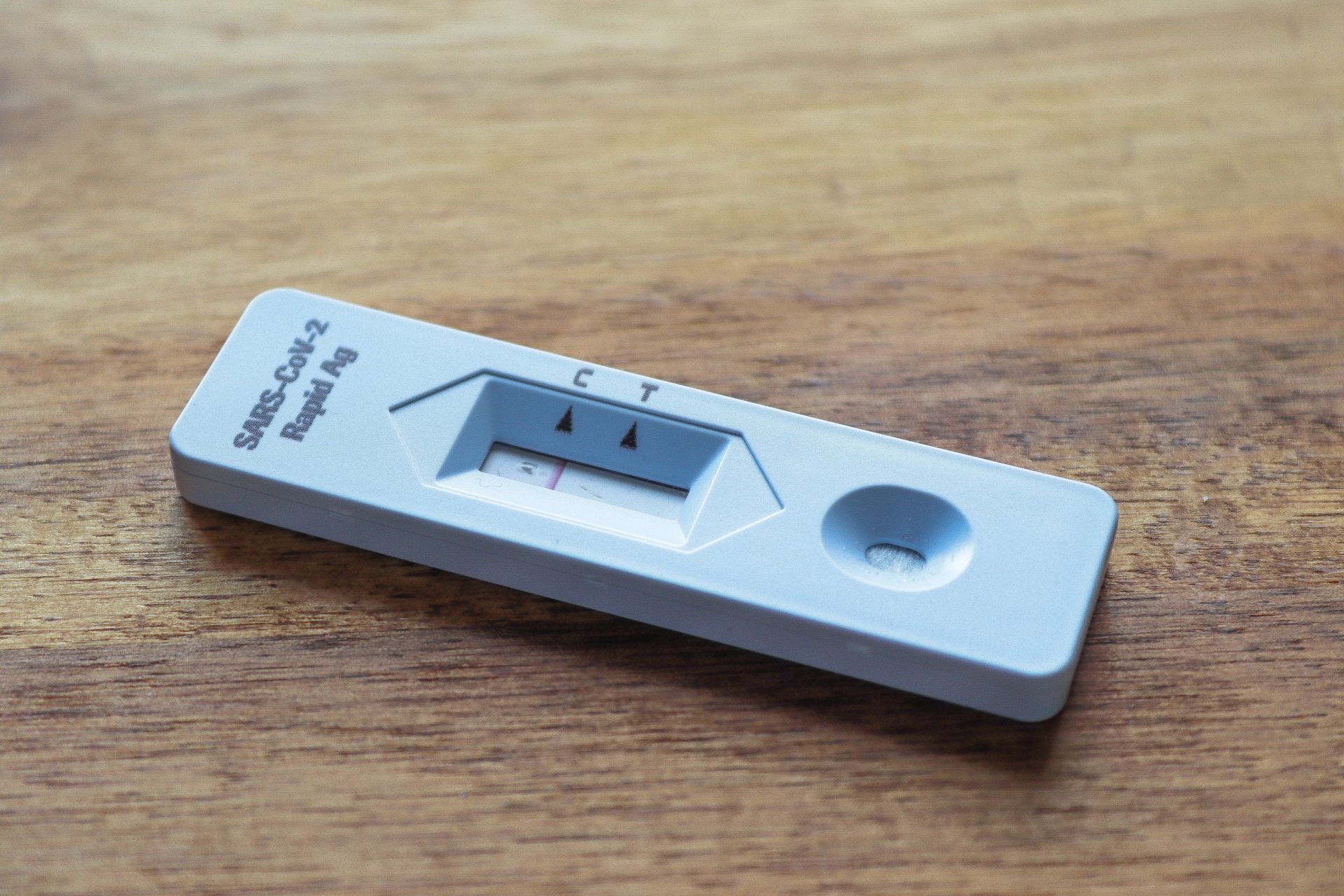
RSV symptoms in babies, toddlers, and adults, plus rapid RSV testing and vaccine guidance. Walk in 24/7 to The Heights Urgent Care on Telegraph Rd in Dearborn Heights.

Accidents happen, and when they do, it’s crucial to get the right care to prevent complications and promote healing. At Medcare Urgent Care, we provide expert treatment for non-life-threatening injuries like cuts, burns, and sprains, helping you get back to your routine with confidence. When Should You Seek Care for Minor Injuries? Not all injuries require an emergency room visit, but certain signs should prompt you to seek professional care: • Deep cuts that won’t stop bleeding • Severe pain or swelling in a joint or muscle • Burns that cause blisters or cover a large area • Suspected fractures or dislocations What We Treat Our team at Medcare Urgent Care is equipped to handle a range of minor injuries, including: • Sprains and Strains : Diagnosis and treatment for joint and muscle injuries • Fractures and Dislocations : On-site X-rays and care for minor fractures and dislocated joints • Cuts and Lacerations : Wound cleaning, stitching, and bandaging to prevent infection • Burns : Treatment for minor thermal or chemical burns to relieve pain and promote healing • Sports Injuries : Care for overuse injuries, bruises, and joint pain • Workplace Injuries : Treatment for job-related injuries like cuts, sprains, or repetitive strain injuries Why Choose Medcare Urgent Care for Minor Injuries? • On-Site X-Rays : Quick and accurate imaging to diagnose fractures or joint issues • Personalized Care : Every injury is treated with a tailored approach to ensure proper recovery • Convenient Access : Walk-in services mean you don’t have to wait for an appointment • Skilled Medical Team : Our experienced providers use advanced techniques to treat your injuries Tips to Prevent Injuries • Wear protective gear when playing sports or working with tools • Use proper techniques when lifting heavy objects • Keep your home and workspace free from tripping hazards • Stay physically active to maintain strong muscles and joints When life throws you an unexpected injury, Medcare Urgent Care is here to help. Visit us for fast, professional care that ensures you heal properly. For 24/7 care, visit our Dearborn Heights location at Medcare Heights Urgent Care. Call us anytime at (313) 768-5446 to get the care you need, whenever you need it.
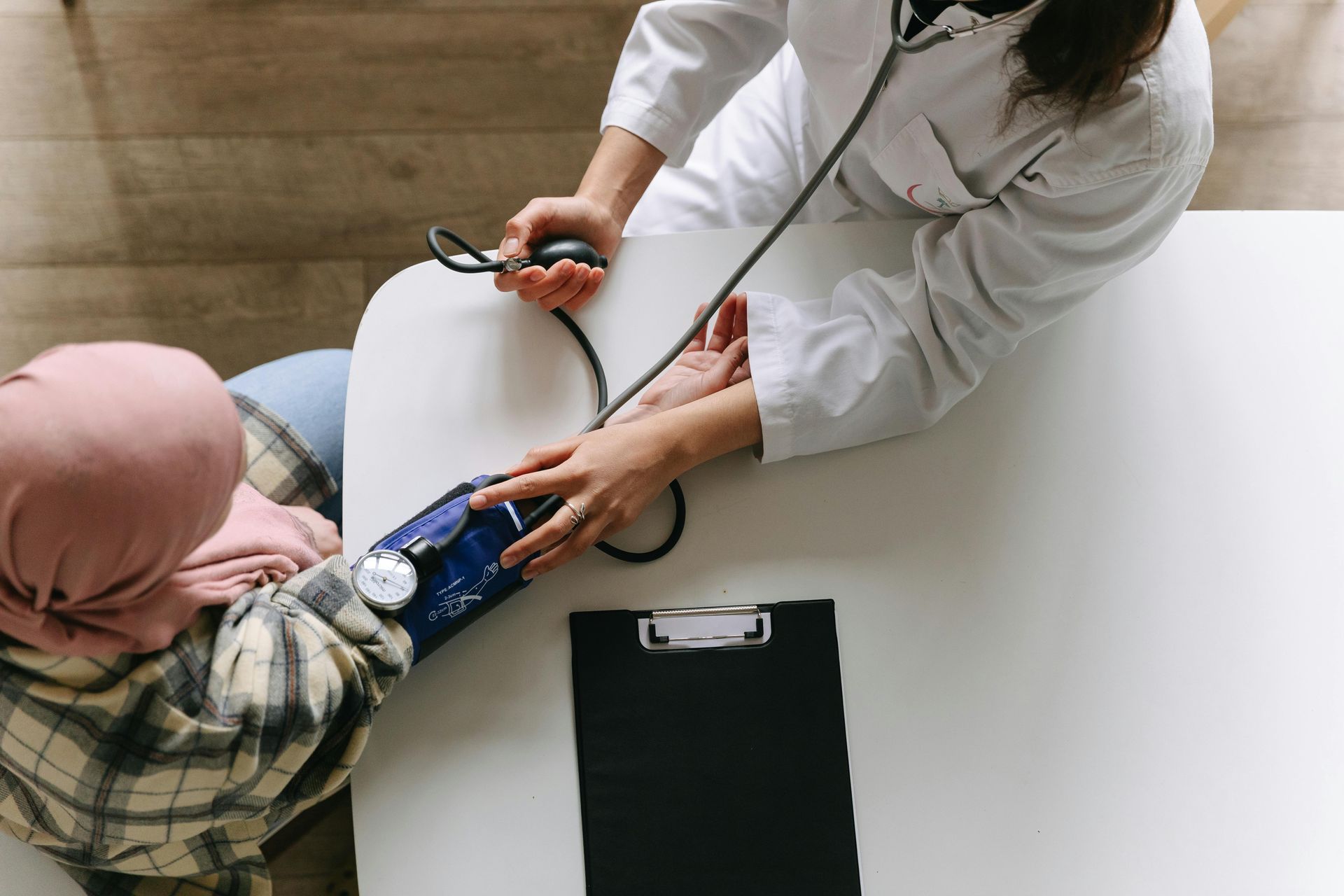
When you’re feeling under the weather, timely and reliable care can make all the difference. At Medcare Urgent Care, we specialize in treating common illnesses like colds, flu, and fevers to help you feel better, faster. With walk-in services and expert medical care, we’re here to support you when you need us most. What is General Illness Care? General illness care focuses on diagnosing and treating everyday ailments that can disrupt your routine. These include viral and bacterial infections, seasonal illnesses, and more. At Medcare Urgent Care, we provide personalized treatment plans tailored to your symptoms to ensure a quick recovery. Symptoms That Signal It’s Time to Visit Medcare Urgent Care Not every cold or fever needs urgent care, but certain signs indicate it’s time to seek professional help: • Persistent or high fever that doesn’t respond to over-the-counter medication • Severe cough or shortness of breath • Prolonged fatigue or weakness • Symptoms of dehydration, such as dry mouth or dizziness What We Treat At Medcare Urgent Care, we’re equipped to address a variety of common illnesses: • Colds and Flu: Relief from symptoms like fever, body aches, cough, and congestion • Strep Throat: Rapid testing and effective antibiotic treatments • Sinus Infections: Solutions for sinus pressure, headaches, and nasal congestion • Fever Management: Addressing underlying causes to prevent complications • Gastrointestinal Issues: Treatment for nausea, diarrhea, and mild food poisoning • Allergies: Care for seasonal allergies, hay fever, and mild reactions Why Choose Medcare Urgent Care for General Illnesses? • Walk-In Convenience: No appointment is needed—simply walk in and receive care • Minimal Wait Times: Get treated quickly without the long delays of an ER • Advanced Diagnostic Tools: From rapid tests to on-site lab services, we ensure accurate diagnoses • Compassionate Care: Our skilled medical team provides personalized attention to every patient Tips for Staying Healthy Preventing illness is always better than treating it. Here are some tips to keep yourself healthy: • Wash your hands frequently and thoroughly • Maintain a balanced diet and stay hydrated • Get your annual flu vaccine • Avoid close contact with sick individuals Whether it’s a lingering cold or a sudden fever, Medcare Urgent Care is here to provide fast and reliable treatment for your general health concerns. For 24/7 care, visit our Dearborn Heights location at Medcare Heights Urgent Care. Call us anytime at (313) 768-5446 to get the care you need, whenever you need it.
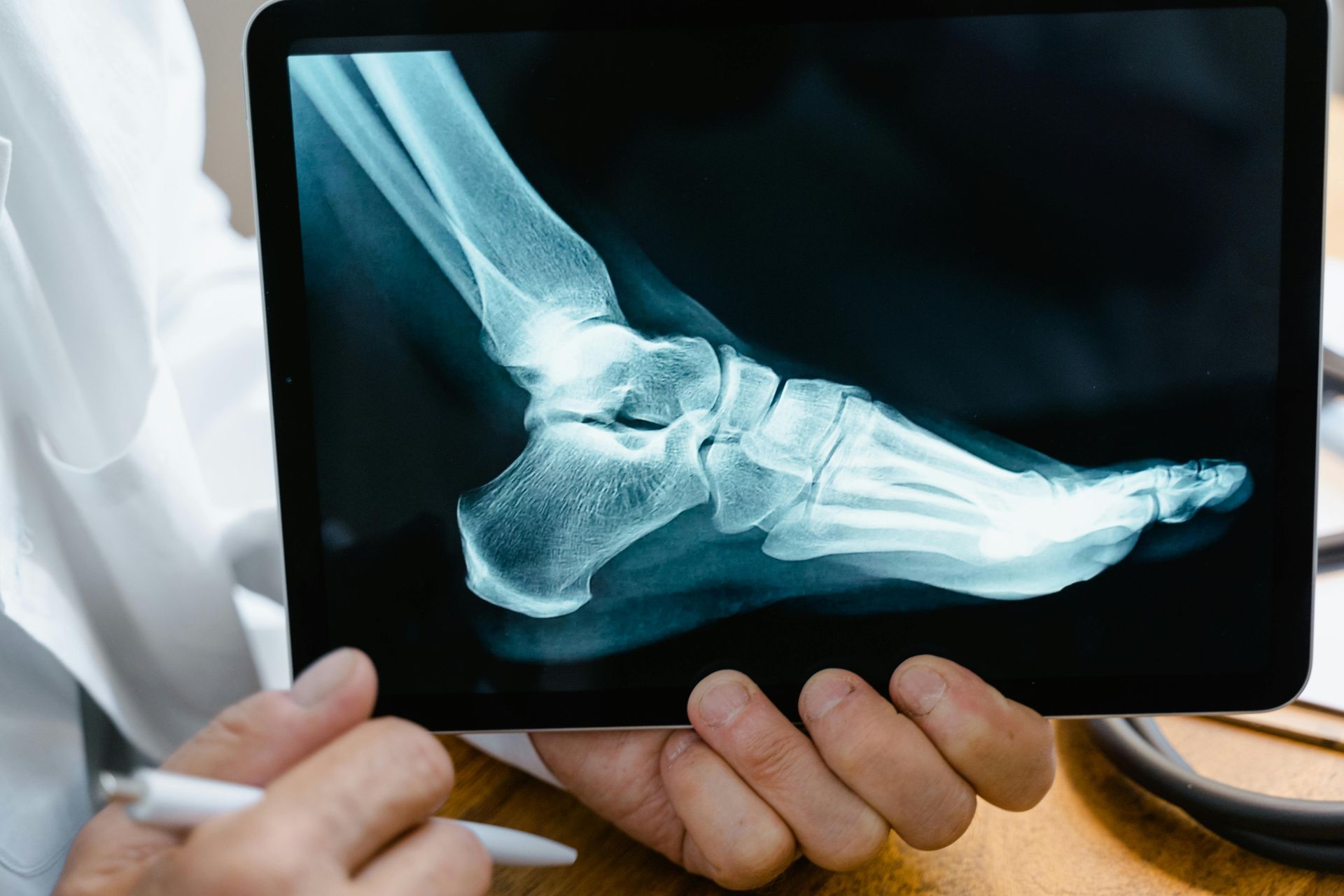
X-rays are a critical diagnostic tool , helping physicians uncover a variety of conditions, from bone fractures to lung infections. At Medcare Urgent Care , we’re proud to provide fast and reliable X-ray services across our Michigan locations, ensuring you get timely answers to address your health concerns. Whether you’re in Detroit, Dearborn Heights, Eastpointe, or Livonia , we’re here to make diagnostic imaging easy and accessible. What is an X-Ray? X-rays use electromagnetic waves, a type of radiation, to create images of the structures inside your body. These waves pass through your body and are absorbed in different ways depending on the material. The result is a black-and-white image that allows doctors to observe bones, tissues, and other internal structures. • Bones appear white due to their high calcium content. • Fat and muscle tissues show as shades of gray. • Lungs appear black, as air absorbs the least radiation. While X-rays are excellent for diagnosing bone-related conditions, they cannot show soft tissues like cartilage or tendons. Doctors typically order X-rays when the results can impact the way an injury or condition is treated. When is an X-Ray Needed? X-rays are quick, painless, and non-invasive. During the procedure, you may stand or lie down, and a lead apron is often used to protect other parts of your body from radiation. While X-rays are safe, your doctor will only order them when necessary to minimize exposure to radiation. Here are common reasons you may need an X-ray: 1. Injuries and Bone Fractures X-rays are most commonly used to identify broken bones or dislocated joints. They are also used during the healing process to confirm that fractures are mending properly. However, sprains or ligament injuries may not always require X-rays. 2. Dental Concerns X-rays are critical for detecting cavities, gum disease, and bone loss in dental care. Dentists often recommend dental X-rays every 2–3 years or more frequently if an underlying condition is present. 3. Lung Conditions Chest X-rays help diagnose respiratory issues such as pneumonia, bronchitis, or tuberculosis. If you’re experiencing chest pain or difficulty breathing, a doctor may recommend an X-ray to assess the severity of your condition. 4. Cancer Screening X-rays are an essential tool for detecting certain cancers, such as bone cancer. Early detection can make a significant difference in treatment outcomes. 5. Arthritis Diagnosis Osteoarthritis, a condition affecting the tissues at the ends of bones, is diagnosed through X-rays. This imaging can also reveal cartilage loss and joint damage. 6. Monitoring Medical Implants After surgeries involving pacemakers, artificial joints, or other implants, X-rays ensure that devices are correctly placed and functioning properly. Why Choose Medcare Urgent Care for X-Rays? At Medcare Urgent Care , we bring hospital-level X-ray diagnostics to a walk-in clinic setting, combining cutting-edge equipment with affordability and convenience. Our experienced team ensures that your X-rays are performed quickly and interpreted accurately, so you can focus on your recovery. What Sets Us Apart: • Convenience : No appointment necessary—just walk in. • Affordable Care : Accepting most insurance plans and offering cost-effective self-pay options. • Expert Medical Team : Experienced staff delivers precise imaging and timely results. • Multiple Locations : Accessible care across Detroit, Dearborn Heights, Livonia, Eastpointe, and surrounding communities. Looking for 24/7 Care? For 24/7 X-ray services , visit our Dearborn Heights location at Medcare Heights Urgent Care . Call us anytime at (313) 768-5446 to get the care you need, whenever you need it.
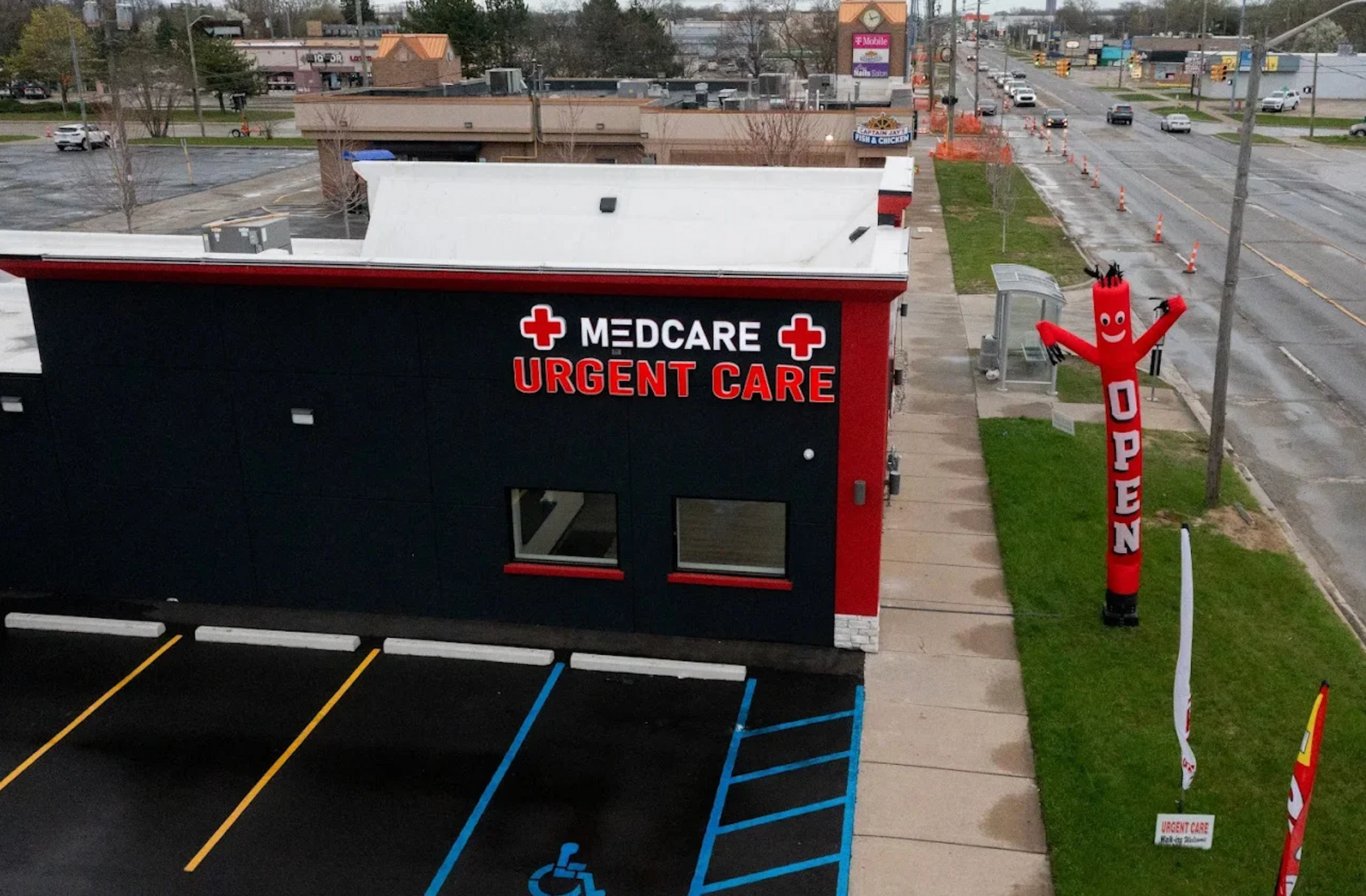
When you’re feeling under the weather or dealing with a minor injury, waiting for a doctor’s appointment isn’t always an option. At Medcare Urgent Care , we provide quick, affordable, and professional care for non-life-threatening conditions across our Michigan locations, including Detroit, Dearborn Heights, Livonia, and Eastpointe . Here’s why urgent care is the right choice when you need prompt medical attention. 1. Shorter Waiting Times Getting sick or injured rarely happens at convenient times, and most primary care offices operate within strict 9-to-5 hours. Medcare Urgent Care stands out with extended hours , offering flexibility that fits your schedule. Many of our locations are open until 9 or 10 p.m., providing care when you need it most. Additionally, urgent care centers help you avoid the long waits of emergency rooms (ERs) , which prioritize life-threatening cases. If your condition isn’t critical, you’ll save time and frustration by visiting urgent care instead of the ER. 2. Care for Non-Life-Threatening Illnesses Urgent care is designed for treating non-life-threatening illnesses and injuries that still require immediate attention. At Medcare Urgent Care , we provide effective treatments for a wide range of conditions, including: • Cold or flu • Strep throat • Urinary tract infections • Burns and bug stings • Allergic reactions • Fevers and headaches • Skin allergies • Backaches In addition to treating illnesses, urgent care centers like The Heights Urgent Care also offer services such as: • Work and school physicals • X-rays and in-house lab testing • STD tests • Vaccinations • Pap smears For life-threatening conditions, such as chest pain, severe wounds, or difficulty breathing, always go to the ER or call 911. 3. Cost-Effective Care Urgent care visits are significantly cheaper than emergency room visits. While an ER visit can cost hundreds or even thousands of dollars, the average urgent care visit ranges from $60 to $120. For non-life-threatening illnesses or injuries, urgent care offers the same quality of care at a fraction of the cost. Why Choose The Heights Urgent Care? At Medcare Urgent Care , we provide fast, affordable, and professional care for a wide range of conditions. Whether you need treatment for minor injuries, illnesses, or routine medical services like physicals or vaccinations, we’re here to help. • Convenient : Walk in anytime—no appointment needed. • Affordable Services : We accept most insurance plans and offer self-pay options. • Skilled Team : Our experienced healthcare providers are dedicated to your well-being. If you’re experiencing non-life-threatening symptoms, skip the long ER wait times and visit us!

At MedCare Urgent Care, we know how disruptive spring allergies can be to your daily life. While the arrival of warmer weather brings blooming flowers and longer days, it also introduces pollen and other allergens that can trigger uncomfortable symptoms. From sneezing fits to itchy eyes, we’re here to help you manage your allergies so you can fully enjoy the beauty of the season. What Causes Spring Allergies? Spring allergies are primarily caused by allergens released into the air during the warmer months. These allergens can trigger your immune system, leading to uncomfortable symptoms. • Pollen : Trees, grasses, and weeds release tiny pollen particles to fertilize plants. These particles are the leading cause of spring allergies. • Mold : Thriving in damp environments, mold can grow outdoors in piles of leaves or indoors in poorly ventilated areas like basements. • Dust Mites : These microscopic insects live in bedding, carpets, and upholstery and are a common allergen year-round. Common Symptoms of Spring Allergies Recognizing the symptoms of spring allergies is the first step toward finding relief. Some of the most common symptoms include: • Sneezing and nasal congestion • Itchy, watery eyes • Runny nose or postnasal drip • Coughing and throat irritation • Fatigue and difficulty concentrating If these symptoms persist, visiting a healthcare provider can help you determine whether you’re dealing with allergies or another condition. How to Manage Spring Allergies While there isn’t a cure for allergies, you can take steps to reduce their impact on your life: 1. Start Treatment Early Begin taking allergy medications, such as antihistamines or nasal sprays, two weeks before symptoms typically start. This can help minimize your body’s reaction to allergens. 2. Monitor Pollen Counts Keep an eye on daily pollen levels in your area and try to stay indoors during peak times, usually in the evening for tree and grass pollen. 3. Clean Your Environment Regularly clean your home to reduce allergens like dust, pet dander, and mold. Use HEPA filters in your air conditioning units to trap airborne allergens. 4. Consider Allergy Shots Immunotherapy, also known as allergy shots, can help modify your immune system’s response to allergens and provide long-term relief. When to See a Doctor When to See a Doctor for Spring Allergies If over-the-counter remedies aren’t helping or your symptoms interfere with your daily life, it’s time to seek professional care. At MedCare Urgent Care, our team offers personalized allergy management, helping you find effective relief tailored to your specific needs. Why Choose MedCare Urgent Care? At MedCare Urgent Care, we are committed to helping you enjoy spring without the discomfort of allergies. Here’s why we stand out: • Convenient Walk-In Care: No need to schedule an appointment—visit us when it works for you. • Expert Treatment Plans: Our experienced providers offer personalized solutions for allergy relief. • Comprehensive Support: From allergy medications to referrals for immunotherapy, we’re here to guide you every step of the way. Don’t let spring allergies hold you back. Visit MedCare Urgent Care today and breathe easier this season. If you’re looking for 24/7 care, visit The Heights Urgent Care location or call us at (313) 768-5446

At Medcare Urgent Care, we know how important it is to get the right diagnosis fast when you’re feeling unwell. That’s why we offer on-site rapid flu testing to help you determine whether your symptoms are caused by the flu or another illness. With prompt testing and treatment, you’ll be back to feeling your best in no time. How Do I Know If I Have the Flu? Flu symptoms can often overlap with those of other illnesses, making it difficult to determine whether you have the flu without testing. Common flu symptoms include: • Fever • Cough • Sore throat • Runny or stuffy nose • Body aches • Headache • Chills • Fatigue Flu viruses are most common during the colder months but can occur outside of the traditional flu season. Other respiratory viruses may also cause similar symptoms, so testing is essential for an accurate diagnosis. Why Is Testing for the Flu Important? Think the flu is just a nuisance? Think again. The flu can lead to severe complications, especially for children, pregnant women, the elderly, and those with underlying health conditions. Each year: • Over 200,000 people are hospitalized due to flu-related complications. • Approximately 35,000 people die from flu-related illnesses annually. Even healthy individuals can become seriously ill and spread the virus to loved ones. A rapid flu test helps ensure timely treatment and reduces the risk of complications and transmission. Comprehensive Flu Testing at Medcare Urgent Care At Medcare Urgent Care, we’ve streamlined the flu testing process to ensure fast and accurate results. Here’s why we’re a trusted choice for flu care: • Fast Results : Get tested and receive your results during your visit. • Accurate Diagnosis : Distinguish flu symptoms from other respiratory illnesses. • Personalized Treatment : If you test positive, our experienced team will provide a customized care plan, including antiviral medications or symptom management strategies. Why Choose The Heights Urgent Care? • Walk-In Convenience : No need to schedule an appointment—just walk in for care. • Affordable Services : We provide cost-effective medical care and accept most insurance plans. • Expert Team : Our skilled healthcare providers are here to help you feel better, faster. Don’t let flu symptoms hold you back. Visit Medcare Urgent Care for rapid flu testing and personalized care tailored to your needs. For 24/7 flu testing and care, visit our Dearborn Heights location at Medcare Heights Urgent Care. Call us anytime at (313) 768-5446 to get the care you need, whenever you need it.

Spring is a wonderful time to enjoy outdoor activities, refresh your living space with spring cleaning, and tackle yard work. However, this lively season can also bring certain risks. At Medcare Urgent Care , we’re here to keep you safe and healthy by helping you manage and prevent common spring-related injuries. Below are some frequent spring hazards and tips to handle them effectively. Rusty Cuts Spring cleaning and outdoor work often involve tools that may be old or rusty, posing a risk of cuts and tetanus infections. Quick action can prevent complications and ensure proper healing. • What to Do: 1. Clean the wound thoroughly with soap and water to reduce infection risk. 2. Monitor the cut for signs of infection, such as redness, swelling, or discharge. 3. Seek medical attention at Medcare Urgent Care if you notice increased pain, swelling, or fever. • Preventive Tip: Ensure your tetanus shot is up to date. Tetanus boosters are recommended every 10 years. Irritated Eyes Dirt, dust, pollen, and power tools are all part of spring projects—but they can also irritate your eyes or expose them to harmful substances. • What to Do: 1. Flush irritated eyes immediately with clean water. 2. For chemical exposure, flush your eyes for at least 15 minutes and seek medical care immediately. 3. Visit Medcare Urgent Care if irritation persists for professional evaluation and treatment. • Preventive Tip: Wear protective eyewear when working outdoors, mowing the lawn, or using power tools. Snake Bites While spending time hiking or enjoying wooded areas, you might encounter snakes. Even non-venomous bites require medical care to prevent infection and complications. • What to Do: 1. Stay calm and limit movement to slow the spread of venom, if present. 2. Immobilize the bite area and keep it at or slightly below heart level. 3. Seek immediate care at Medcare Urgent Care or the nearest medical facility. • Preventive Tip: Wear sturdy boots, avoid tall grass, and remain cautious in wooded areas to reduce the risk of encounters. Why Choose The Heights Urgent Care? At Medcare Urgent Care , we provide fast and reliable care for a wide range of non-life-threatening injuries and illnesses, including those that are common during the spring season. Here’s why patients trust us: • Convenience: Walk-in visits are always welcome, with no appointment needed. • Skilled Medical Team: Our experienced healthcare providers ensure effective and compassionate care. • Comprehensive Services: From treating minor wounds to addressing allergies and other spring-related conditions, we’re ready to help. Don’t let spring injuries ruin your season. For fast, professional care, visit Medcare Urgent Care at any of our locations. For 24/7 care, visit our Dearborn Heights location at Medcare Heights Urgent Care . Call us anytime at (313) 768-5446 to get the care you need, whenever you need it.

Most school districts require physical exams for students participating in sports or extracurricular activities. At Medcare Urgent Care , we make it simple and stress-free to complete your child’s school or sports physical with thorough, professional care that prioritizes their well-being. What is Included in Sports Physicals? A sports physical is an essential step to ensure your child is ready to participate safely in physical activities. At Medcare Urgent Care , our healthcare providers perform comprehensive evaluations that include: • Height and Weight : Recording measurements to monitor growth and development. • Blood Pressure and Pulse : Checking cardiovascular health. • Vision Testing : Ensuring eyesight is adequate for physical activity. • Medical History Review : Assessing past injuries, illnesses, or conditions that may affect participation. • Injury History : Addressing previous injuries like fractures or dislocations. • Vital Signs and General Exam : Conducting a head-to-toe checkup to ensure overall health. Why Are Sports Physicals Important? Sports physicals help determine whether it’s safe for a child or adolescent to participate in physical activity. By identifying potential risks, physicians can prevent serious health complications during sports and other activities. During a sports physical, the doctor will evaluate conditions that may restrict athletic participation, such as: • Knee instability • Femur fractures • Elbow dislocations • Irregular heartbeat • Abdominal masses • Fever By addressing these issues early, we help keep your child healthy and safe throughout their activities. Why Choose Medcare Urgent Care? At Medcare Urgent Care , we are dedicated to providing fast and convenient physical exams for children and adolescents. Families trust us because: • Walk-In Convenience: No appointments necessary—stop by at a time that works for you. • Thorough Evaluations: Our experienced healthcare providers ensure comprehensive and detailed exams. • Quick Results: Get the necessary documentation for school or sports programs without any delays. Don’t wait until the last minute! Visit Medcare Urgent Care for quick, professional school and sports physicals. For 24/7 care, visit our Dearborn Heights location at Medcare Heights Urgent Care . Call us anytime at (313) 768-5446 to get the care you need, whenever you need it.